Some Metals Age Like Fine Wine — Others Crumble Like Stale Crackers. Here's Why.
Some Metals Age Like Fine Wine — Others Crumble Like Stale Crackers. Here's Why.
Pull a gold ring out of a drawer after twenty years and it still gleams like the day you bought it. Leave a cast iron skillet sitting in a puddle of water overnight and you've basically scheduled a rust appointment for first thing in the morning. Same planet, same oxygen, wildly different outcomes. The difference isn't random — it comes down to electrons, chemistry, and a concept that scientists have been calling "nobility" for centuries. And yes, that's as dramatic as it sounds.
What Corrosion Actually Is (It's Not Just "Getting Old")
Here's the thing most people get wrong: corrosion isn't wear and tear. It's not your metal getting tired. It's a chemical reaction — specifically, a type of reaction called oxidation, where a metal loses electrons to something in its environment, usually oxygen or water.
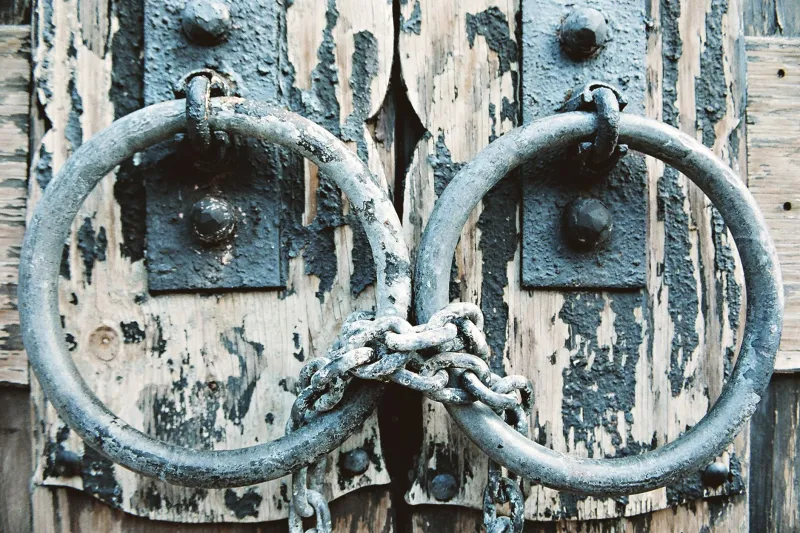
When iron meets oxygen and moisture, iron atoms give up electrons to oxygen atoms. The result? Iron oxide. Which is just the technical name for rust — that flaky, reddish-brown stuff that destroys car undercarriages and makes old bikes look sad. The iron hasn't worn away mechanically; it's been chemically transformed into something structurally weaker and chemically different from the original metal.
Silver tarnishes through a slightly different process. The blackish coating on your grandmother's silverware isn't rust — it's silver sulfide, formed when silver reacts with tiny amounts of hydrogen sulfide gas floating around in the air. That gas comes from eggs, certain rubber bands, wool, and even some paints. Your dining room is basically a slow-motion chemistry experiment.
Copper does its own thing too. That gorgeous blue-green patina on the Statue of Liberty? That's copper carbonate and copper sulfate forming over decades of exposure to air and rain. Unlike rust, though, copper's patina actually protects the metal underneath. It's corrosion acting as its own shield — which is pretty clever for a chemical reaction that has no intentions whatsoever.
Why Gold Gets a Pass
Gold doesn't corrode. Full stop. You can leave it in saltwater, expose it to air for millennia, bury it in acidic soil — it comes out the other side looking basically the same. Archaeologists pull gold artifacts out of ancient Egyptian tombs that still gleam. That's not preservation magic; that's chemistry.
The reason comes down to where gold sits on something chemists call the activity series — a ranking of metals by how readily they give up electrons. Metals at the top of the list, like potassium and sodium, are so desperate to shed electrons that they'll react violently with plain water. Metals at the bottom, like gold and platinum, hold onto their electrons so tightly that it takes an extraordinarily aggressive chemical environment to pry them loose.
This is why chemists call gold and platinum "noble metals." The term borrows from the idea of noble gases — elements like helium, neon, and argon that are famously unreactive because their electron shells are already complete and satisfied. Noble metals aren't quite as inert as noble gases, but the spirit is similar: they're chemically aloof. They don't mingle easily.
To actually dissolve gold, you need something called aqua regia — a fuming, corrosive mixture of nitric acid and hydrochloric acid. It's one of the few substances on Earth that can do the job. The name literally translates to "royal water," which tells you everything about how chemists historically viewed gold's resistance to attack.
So Why Does Your Gold Jewelry Still Look Rough Sometimes?
Here's the catch: most gold jewelry isn't pure gold. Pure gold (24 karat) is actually too soft for everyday wear — it scratches and bends too easily. So jewelers mix it with other metals like copper, silver, zinc, or nickel to create alloys that are harder and more durable. That's where your 14-karat or 18-karat gold comes from.
Those added metals? They can corrode. The copper in a gold alloy can oxidize. The silver can tarnish. And if the alloy isn't well-balanced, you might notice discoloration or even skin reactions over time — not because the gold is failing, but because its metallic roommates are misbehaving.
This is also why "gold-plated" items lose their luster. The gold layer is real, but it's thin, and once it wears through, the base metal underneath — often brass or copper — is fully exposed to the elements. What you're watching isn't the gold corroding. It's the gold disappearing, leaving less noble metals behind to do what less noble metals do.
The Corrosion Culprits Hiding in Your Home
Once you start thinking about corrosion chemistry, you start seeing it everywhere.
That greenish ring around your bathroom faucet? Likely copper pipes reacting with minerals in your water supply. The white chalky buildup on your showerhead is a different beast — calcium carbonate deposits from hard water, which is more of a precipitation reaction than true corrosion, but equally annoying.
Old pennies turn dull and brownish because they're mostly zinc with a thin copper coating, and zinc oxidizes readily. (Pre-1982 pennies were mostly copper and actually held up better — a fun fact for your next trivia night.)
Even aluminum, which seems sturdy and rust-free, technically oxidizes almost instantly when exposed to air. The difference is that aluminum oxide forms a tight, invisible, protective layer that seals the surface and stops further corrosion. Engineers call this passivation, and it's one of the reasons aluminum is so useful in everything from airplane fuselages to soda cans.
Stainless steel works on the same principle — it contains chromium, which forms a thin chromium oxide layer that continuously repairs itself if scratched. That's why your stainless steel kitchen sink looks fine after years of abuse that would destroy plain iron.
Electrons Are the Real Story
At the heart of all of this is a simple, elegant truth: corrosion is just electrons moving from where they don't want to be to where they'd rather be. Every metal has a different level of enthusiasm for that electron transfer. Noble metals are stubborn. Reactive metals are practically eager.
Chemists have mapped this out into something called the electrochemical series, and it's genuinely one of the more useful tools in materials science, engineering, and even medicine (implanted metal devices have to be chosen very carefully for exactly these reasons).
The periodic table, as always, has the receipts. The position of an element — its electron configuration, its place in a group or period — tells you something fundamental about how it will behave when the world tries to take its electrons away. Gold, sitting comfortably in Group 11, period 6, with a full and stable outer electron arrangement, just isn't interested in reacting. Iron, sitting higher on the activity series with a less stable configuration, basically raises its hand.
Next time you notice tarnish on your silverware or spot rust creeping along a pipe under the sink, remember: you're not watching metal fail. You're watching chemistry happen in real time, one electron at a time.