The Fifteen Elements Your Phone Can't Live Without (And You Definitely Can't Name)
Quick quiz: name the elements from lanthanum to lutetium. Don't worry, almost nobody can — including plenty of chemists. But here's the twist: you're reading this article on a device that contains several of them, driving a car that needs them, and living in a country whose military literally cannot function without them.
The lanthanides — that detached row floating below the main periodic table — are the ultimate unsung elements. And the story of how they get from the ground to your gadgets is one of the strangest supply chain sagas in modern America.
So What Are They Actually Doing in My Stuff?
Glad you asked. These fifteen elements, plus scandium and yttrium (collectively called "rare earths"), have a superpower: they're really, really good at manipulating light, sound, and magnetism.
Consider the receipts:
- Neodymium makes the strongest permanent magnets known to science. Your earbuds? Tiny neodymium magnets. Your electric car's motor? Same, scaled up.
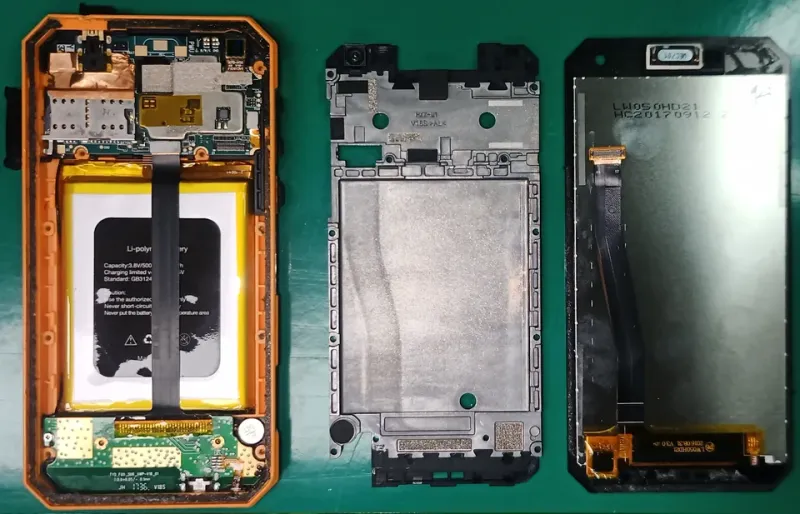
- Europium and terbium spent decades making your screens glow red and green.
- Cerium polishes basically every glass lens and screen ever made, and sits in your car's catalytic converter.
- Lanthanum lives inside camera lenses and hybrid car batteries.
- Dysprosium keeps those neodymium magnets from failing at high temperatures — critical for wind turbines and missile systems alike.
The F-35 fighter jet contains over 900 pounds of rare earth materials. A single Toyota Prius uses around 25 pounds. Your phone, a few grams. Small amounts, enormous consequences.
"Rare" Is a Lie, But a Useful One
Here's the kicker: rare earths aren't rare. Cerium is more abundant in Earth's crust than copper. The name is a holdover from the 1800s, when these elements were only found in a handful of unusual minerals and nobody was sure how common they were.
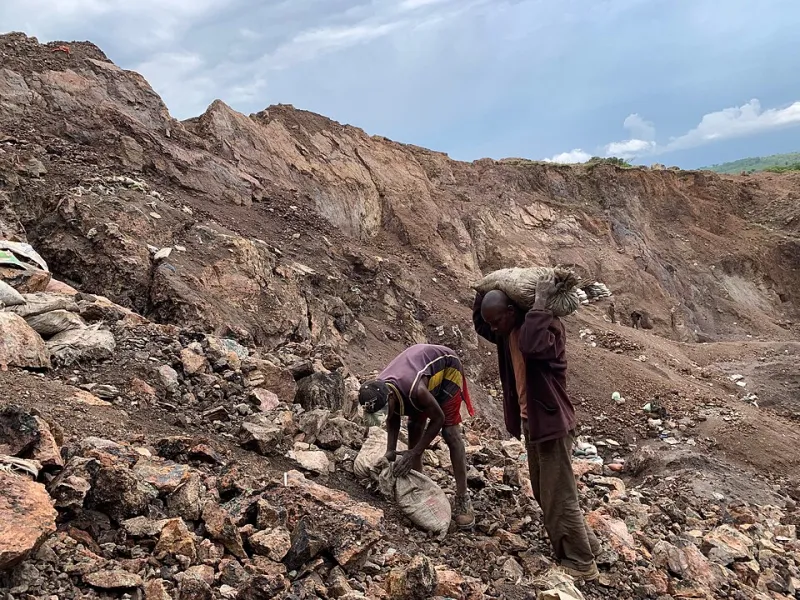
What IS rare is finding them in concentrated, mineable deposits — and, crucially, surviving the extraction process. Rare earths almost always occur mixed together, chemically near-identical, in ore that also tends to carry radioactive companions like thorium and uranium.
Separating them is the hard part. Refiners traditionally use cascades of solvents — hundreds of sequential steps — to coax chemically twin-like elements apart, one tiny difference at a time. It's less like mining and more like sorting fifteen identical siblings by personality.
The Rust Belt Nobody Talks About
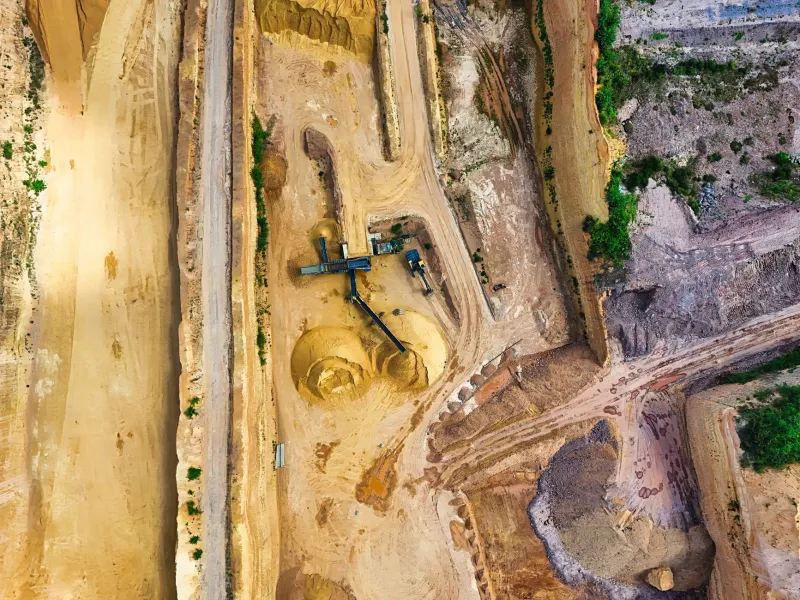
For decades, one place dominated this messy business: Mountain Pass, California, in the Mojave Desert. Through the 1960s to the 1980s, it supplied most of the world's rare earths. Then came cheaper Chinese competition, a pipeline spill, regulatory pressure, and by 2002, the mine closed.
China, meanwhile, leaned in hard. Its leaders recognized in the 1980s — Deng Xiaoping reportedly compared rare earths to oil — that controlling these elements meant controlling electronics, renewables, and defense manufacturing. By the 2010s, China produced around 90% of the world's refined rare earths. When tensions flared with Japan in 2010, Beijing briefly restricted exports, and the whole world got a crash course in dependency.
The United States has been playing catch-up ever since. Mountain Pass reopened, and MP Materials — now the largest rare earth producer in the Western Hemisphere — is working to refine elements on American soil rather than shipping concentrate to China for processing, which had been the awkward status quo. New projects in Texas are building magnet factories, and the Department of Defense has invested directly in domestic supply chains.
Recycling: The Mine in Your Junk Drawer
Here's the hopeful twist: the richest rare earth deposit in America might be its landfills and junk drawers. Every retired wind turbine, dead hard drive, and obsolete EV motor contains recoverable rare earths — already separated, already refined, just locked inside products.
Startups and national labs are developing ways to pull neodymium and friends out of e-waste using everything from bacteria to specialized solvents. The challenge is scale and economics: collecting dispersed small products is harder than mining a big ore body. But as a bonus, recycled rare earths come without the radioactive tailings.
The Takeaway
You will never see the lanthanides. You'll never hold pure neodymium in your hand. But they're in your pocket, your commute, and the geopolitical chessboard, quietly doing jobs no other elements can. The next time your earbuds deliver perfect sound from something the size of a pencil eraser, spare a thought for the fifteen elements nobody can name — and the very complicated journey they took to get there.